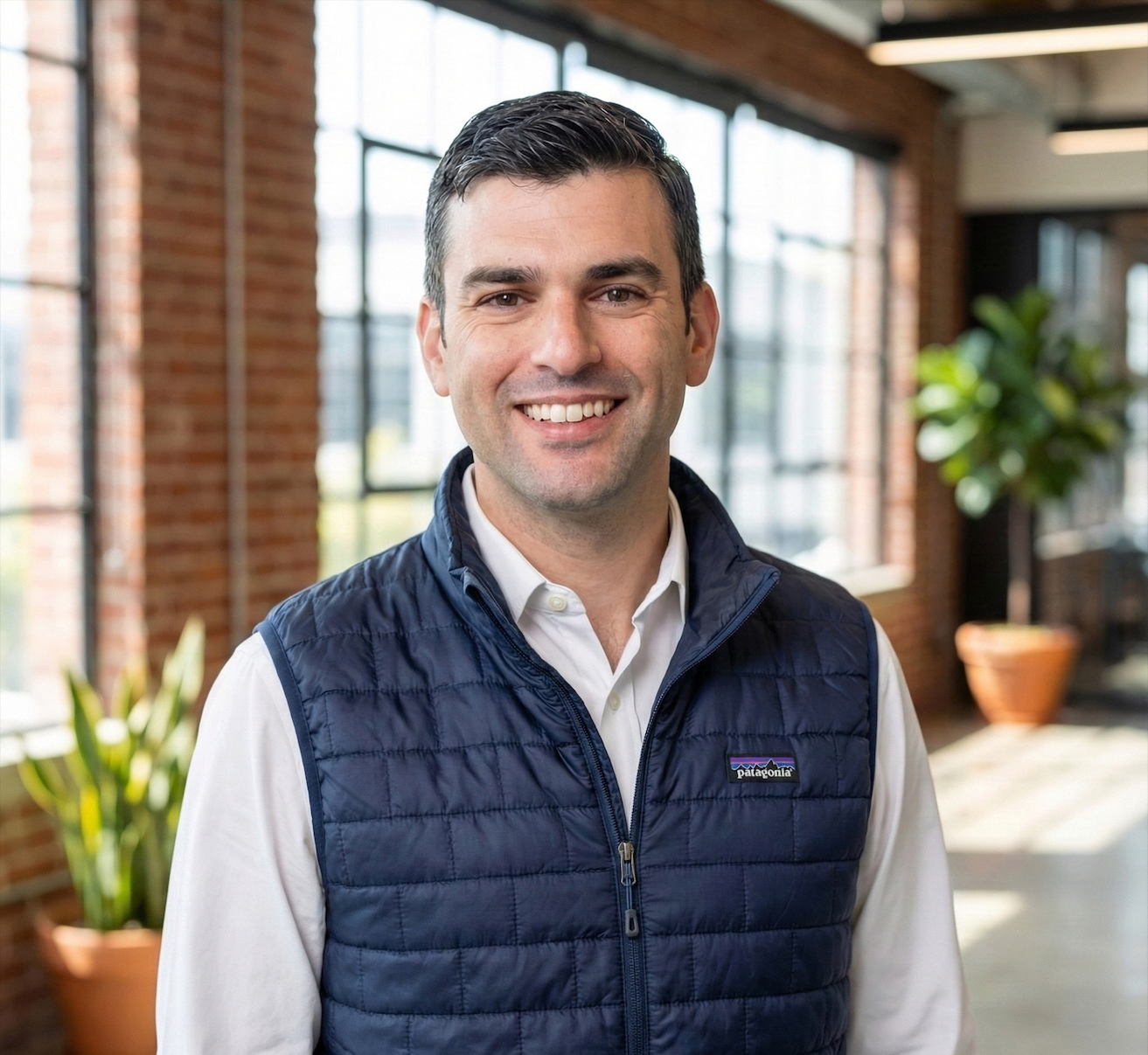
Marcus Johnson is a commercial banking relationship manager. He starts his Tuesday morning the same way he starts every Tuesday — coffee, Slack, pipeline review. He manages 23 accounts across logistics, manufacturing, and healthcare. He's good at his job. His clients trust him.
What he doesn't know — what no one has told him — is that one of his best accounts is quietly leaving.
Coastal Logistics. $4.2 million in annual revenue. Deposits are down 34% over six months. Treasury management transactions — the ACH payments, the wires, the cash management activity that signals real operating business — have dropped from 1,169 to 390 per month. The CFO hasn't heard from Marcus in 80 days.
There's no alert. No flag. No email. The data is all there — in the core banking system, in the CRM, in the transaction ledger. But nobody put it together. Nobody was watching.
By the time Marcus notices, Coastal Logistics will already be halfway out the door.
This is the scenario I opened with at Tableau Conference this May. And while Coastal Logistics is fictional, the situation isn't.
I know because I lived it. Before joining Salesforce, I spent 11 years at PNC Bank building exactly this kind of analysis — risk models, portfolio monitoring reports, RM scorecards. We knew which clients were showing early attrition signals. The analytics were solid. What we couldn't do was close the loop. We didn't have a way to get that insight into the RM's workflow at the right moment, in a form they could act on immediately. The data sat in reports that required someone to go looking for it. Most of the time, nobody did.
That experience is why Sentinel felt personal to me. It's not a demo of what might be possible someday. It's the system we were still trying to figure out how to build when I left PNC in 2021 — the platform just wasn't there yet.
Here's what makes that gap so costly:
The problem isn't effort. It's that the insight never reaches the person who needs it, when they need it. We called it the gap between knowing and doing.
For most of the last twenty years, better analytics meant faster answers to questions you already knew to ask. Tableau was built on that — anyone can explore the data, find the insight themselves, without waiting for IT. Still true. Still valuable.
But the problem Marcus had wasn't that he couldn't find the answer. He didn't know the question existed.
For Tableau Conference this year, I built an AI-powered analytics agent — we called it Sentinel — to show what this looks like in practice. My colleague Brandi Gutfriend joined me on stage to present it.
Sentinel is a portfolio monitoring agent built on Salesforce Data 360, Tableau Next, Agentforce, and Slack. It runs overnight, scans every client in a commercial banking portfolio against a semantic model that combines deposit trends, product holdings, transaction volumes, and engagement history. When a client crosses a risk threshold, the system acts.
Marcus doesn't open a dashboard Tuesday morning. He opens Slack and finds this waiting for him:
📧 View draft outreach 📋 Call briefing 📊 Full profile
He didn't go looking for this. The system found it and brought it to him — along with a personalized outreach email already drafted and a call briefing with talking points and product context.
But the part that landed hardest with the audience wasn't the alert. It was what happened next.
Marcus's manager gets a separate digest — not a dashboard to open and interpret, but a summary pushed to her. It shows which RMs on her team have open attrition risk, how long alerts have been sitting unaddressed, and what the revenue exposure is.
One of her RMs has $840K in unaddressed risk sitting for five days.
She escalates his queue in one click. Salesforce creates the follow-up task. The RM gets notified. The entire chain is logged. And if she wants to go deeper, an Agentforce agent can answer live questions about any client in the portfolio — right in Slack, returning charts, not paragraphs.
The system doesn't stop at finding problems. It tracks whether anyone acted on them.
When I describe Sentinel, I call it an agentic analytics system. The distinction that matters: it doesn't wait for questions. It watches the portfolio, decides what's worth surfacing, and acts. Marcus stays in the loop where it counts — does he send the email, does he take the call. The system handles everything up to that point.
Two years ago, this demo wasn't possible. Not because the ideas were wrong — the pieces existed. What didn't exist was a platform where they could work together without a team of engineers building the plumbing from scratch.
The room in San Diego was packed. Honestly, I wasn't sure how the opening would land — leading with a fictional RM's Tuesday morning felt like a risk.
It didn't need to. People recognized Coastal Logistics immediately. Not the specific company — the situation. A relationship that went quiet. A problem that surfaced too late. A dashboard that nobody checked because nobody knew they were supposed to.
That's the gap Sentinel was built to close. Not by replacing the relationship manager, but by making sure they never have to wonder what they're missing.
Coastal Logistics is still a client. That's the point.